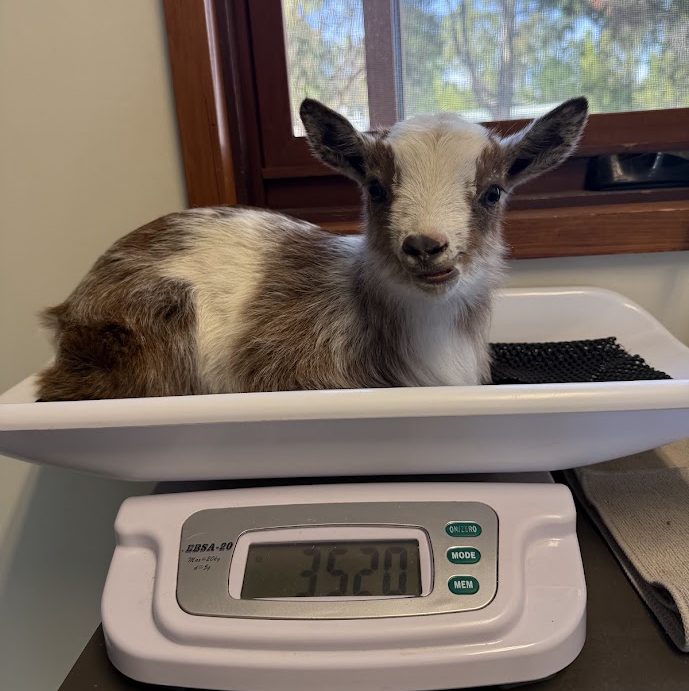
Do you know we offer disbudding for sheep, goats and calves?
Disbudding Lambs, Kids and Calves: Getting in Early
If you’re raising calves, lambs or kids, disbudding is worth thinking about early. Removing the horn buds while animals are young helps prevent horns from developing, making livestock easier and safer to handle as they grow. It can also reduce the risk of injuries to other animals and people, particularly in close-quarters handling situations.
At Bungendore Veterinary Surgery, we offer disbudding for calves, kids and lambs, with the timing and anaesthetic tailored to the species and age of the animal.
What Does Disbudding Involve?
Disbudding is the process of destroying the horn-producing tissue before the horns develop. We use a ring cautery unit to apply heat around the horn buds, stopping the tissue from producing horns. Pain relief is an important part of the procedure, and our approach varies depending on the animal.
For calves, we generally perform disbudding on farm between 6 and 8 weeks of age, using a local anaesthetic block and oral anti-inflammatory to help manage pain during the procedure.
Goats and sheep, particularly goats, need to be disbudded much younger — ideally at around 1–2 weeks of age. These procedures are performed in clinic under gaseous general anaesthesia, with additional local anaesthetic blocks and oral anti-inflammatories for pain relief. Goats are especially important to disbud early, as their horn buds can develop quickly.
Why Is Timing So Important?
The aim is to disbud before the horn buds become firmly attached to the underlying skull and the horns begin to grow. If you leave it too late, the procedure becomes more difficult and, although the procedure may still be able to be performed, it will generally always still result in small horns still developing.
The Pros and Cons
The main benefits of disbudding are improved safety for handlers, reduced injuries between animals and easier management in yards, races and transport. It can also help reduce damage to fences, feeders and other equipment.
However, disbudding is not without its downsides. The procedure causes discomfort and requires appropriate anaesthesia and pain management. There is also a risk of complications, such as infection (very low risk), or horn regrowth if the horn-producing tissue is not fully destroyed or animals are left too long. General anaesthesia in young goats and sheep also carries some risk, which is why careful veterinary assessment and monitoring are important.
Disbudding is a management decision, so it’s worth weighing up the benefits for your particular herd or flock alongside the welfare considerations.
Planning Ahead
If you’ve got calves, lambs or kids due on the farm, don’t leave disbudding until you can see the horns growing! The best time to organise it is while they’re still very young. Give the team at Bungendore Veterinary Surgery a call, and we can help you work out the right timing and arrange an appointment that suits your stock and setup.
Love animals?
Get our news delivered to your inbox....
Subscribe to News
Our hours and location
- Monday 8am - 7pm
- Tuesday 8am - 5:30pm
- Wednesday 8am - 7pm
- Thursday 8am - 5:30pm
- Friday 8am - 5:30pm
- Saturday 9am - 1pm
All hours and every day,
we’re available on:
(02) 6238 1133
112b Molonglo Street Bungendore